

www.niger-meteorite-recon.de
Kainsaz meteorite expedition

go to page 1 | 2 | 3 | 4 | 5 | strewnfield map


The Rain

Sept. 29th, 1937, between Kastilyova and Kainsaz

All the eyewitness accounts taken together Selivanow was able to get a relatively precise picture of what had happened. September 13th, 1937 was a cloudless sunny day with temperatures around freezing point. Winter was about to take over but the red fertile soil of the central Tartar uplands was still unfrozen. At 2:14 pm people in Persidskaja which located roughly 50 kilometers from the Kainsaz collective farm looked up at a fireball which appeared out of the blue in the southeastern sky.

With incredible speed the fireball traversed and descended towards the northeast where it split into parts. Some of these parts continued their descent to the ground, but others seemed to fade out while still in the air. Noteworthily the eyewitnesses located within the distribution ellipse did neither see the fireball nor the smoketrail of the bolide.


Selivanovs map of the Kainsaz strewnfield taken from his original report from 1938. Of the 15 meteorites he was able to take to Moscow 14 are marked in the map with their find location. Of one meteorite the intoxicated finder had forgotten where he found the stone

Four or five loud detonations were heard up to a distance of 130 kilometers. The first meteoritic fragments that hit the ground were nut sized individuals that fell at the village of Kosteievo (Kastilyova) marking the extreme southeastern point of the distribution ellipse. Forty kilometers to the northwest and close to the Kainsaz collective farm fell the largest indivudual weighing 102.5 kg. Between these two points over a range of 40 kilometers and within an ellipse 7 kilometers at its widest points at least 12 more rocks had rained down. Among others Selivanov recorded a 53 kg meteorite
 

Keeping the information dry
which fell southeast of Kainsaz, a 27.5kg individual at Tash-Elga and a 22kg at Krasny Yar. The depressions caused by the impacting meteorites had the appearance of small pits the sizes of the meteorites with depths equal to the vertical dimension of the impactor.


One afternoon Andrew walked to a hilltop and climbed a tree where they had found out one could get access to a mobile network. As Pyotr had a second team working on the Brahin strewnfield at the same time we were eager to learn whether they had found any meteorites. In fact they did as they had found a 80kg individual the day before and a 25 kg individual just before we had called.


Birch forest on the wetstern edge of the Kainsaz distribution ellipse. Although search conditions were excellent on this day the area yielded no finds. Probably due to the considerable distance from the central axis of the strewnfield

Although we were determined to catch up the conditions were against us. Rain came again and it did not stop for four days. We were cut off from civilization as even the Lada Niva would have failed to cross the groundless soaked fields and the small stream which had become a rapid river and that cut the only dustroad that connected us with the Tartar infrastructure. After two days none of us had any dry cloths left and I was convinced we would leave this place only as amphibians.

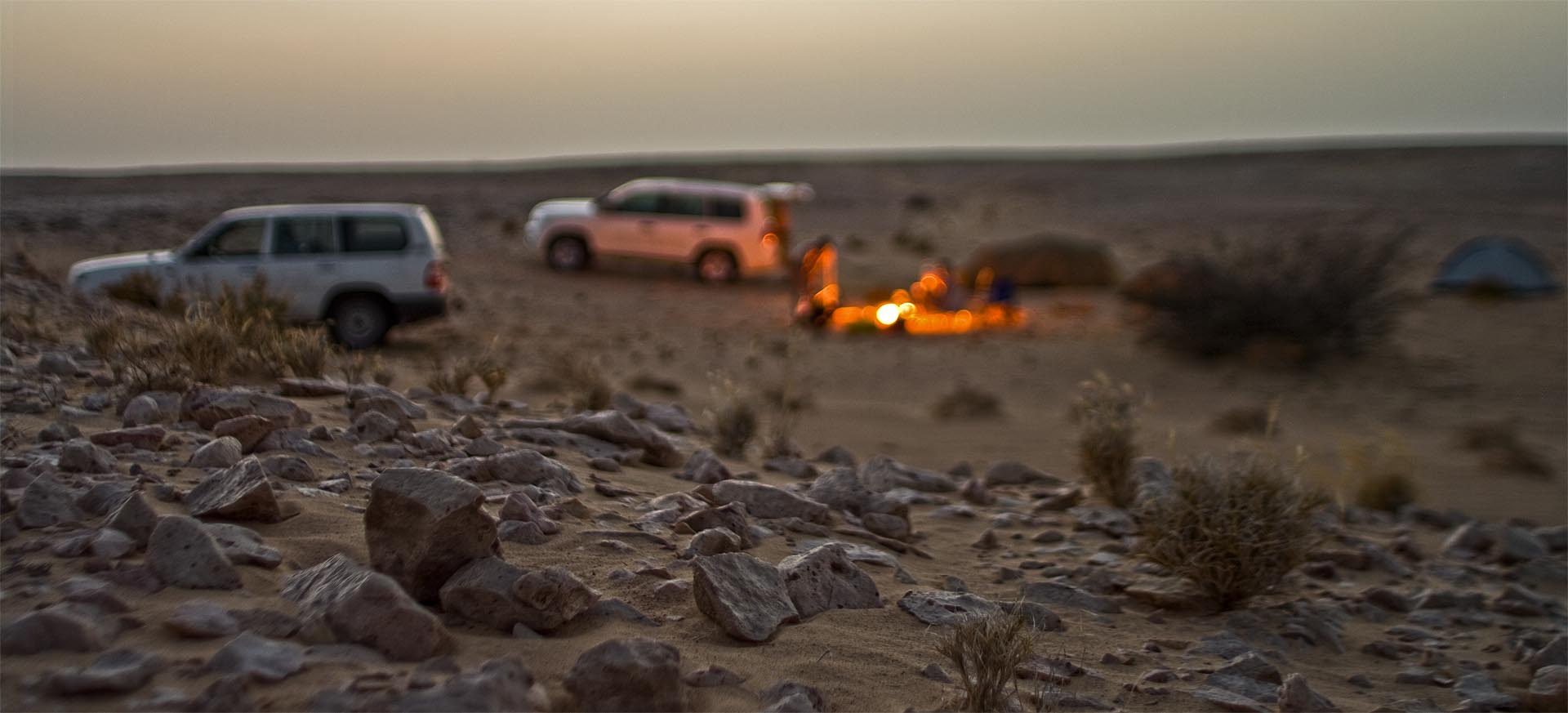
The supplies of dry firewood which we stored in our tents became scarce and the day came when fire could only be started by the help of the Tunguska stove. In one of these rainy nights Pyotr introduced me in the secrets of worshipping the great and terrible god of the Russian meteorite prospectors. On their last campaign they had carved a little idol to which they had sacrificed food, tobacco and Vodka in order to obtain the blessing of the unspeakable.

As the cult demands never to mention the god’s name to an outsider I shall only refer to him as the terrible ‘P’. The attributes of the god are the spade and the detector coil. Although I was quite curious to get acquainted with the pecularities of Russian customs I was unable to fathom this complex chapter of ethnologic cult to complete depth. Apparently however, we had neglected to take care for the needs of P. and now received visitation for our inattentiveness.


The village of Olbgino seen from the southeast. This settlement is at the western border of the elliptical strewnfield at its widest point

The trip ended how it began, with the only difference that I was facing the challenges of Russian transit in a much more relaxed manner as previous to my arrival to Tartarstan. Since the 2005 trip I have talked with other Russian prospectors of the Kainsaz strewnfield including Ivan Kutyrew, beeing one of the most successful of them. All agreed that finding meteorites in Kainsaz is purely a statistical matter. And one has to take in mind that the strewnfield had already been extensively searched with detectors the last five years.

In the beginning an average five full days of prospecting with at least four detectors were necessary for a single find. Now, with most of the area diligently cleared of meteorites one easily has to apply the double effort. Our own party was well below this mark and we had only two XLCs in use. I’am still convinced that using a sensible Magnetometer on this particular meteorite was the right decision. But due to the many signals that turned out not to be meteorites but that nevertheless had to be dug due to lack of discrimination the Vallon offered, a lot of time and searchtrack was wasted.

The fact that this expedition counts under the 20 percent that turned out not to yield meteorites does not narrow the experience. I had the pleasure to work with a tough and highly skilled team that treated me, the German stranger, with the most heartily hospitality and kindness. I’am deeply indebted to Pyotr Muromov and Andrew Andreev for offering me the opportunity to take part in their expedition, for sharing their knowledge with me and last but not least for providing me an insight in the Russian soul.

click to continue

go to page 1 | 2 | 3 | 4 | 5 | strewnfield map


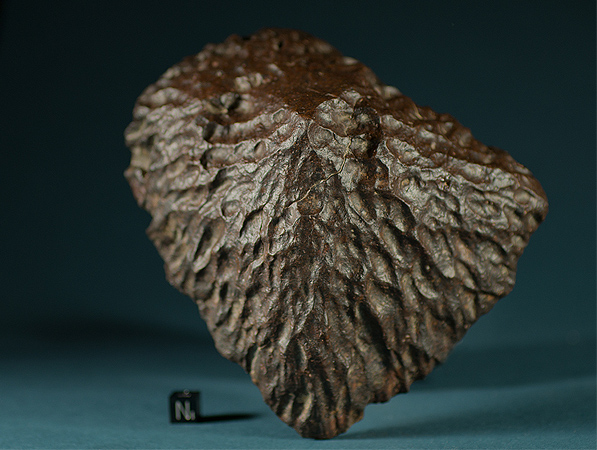
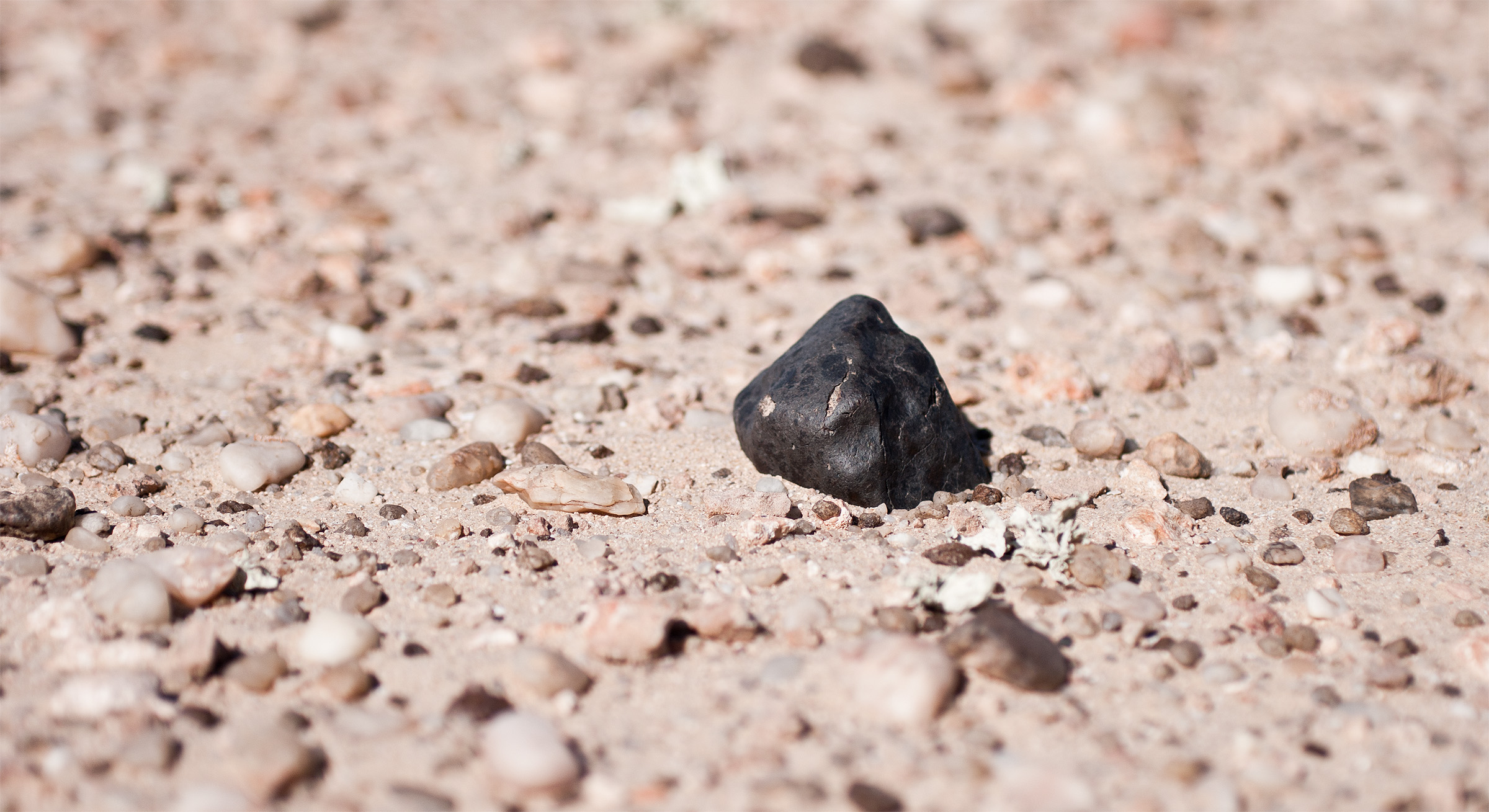
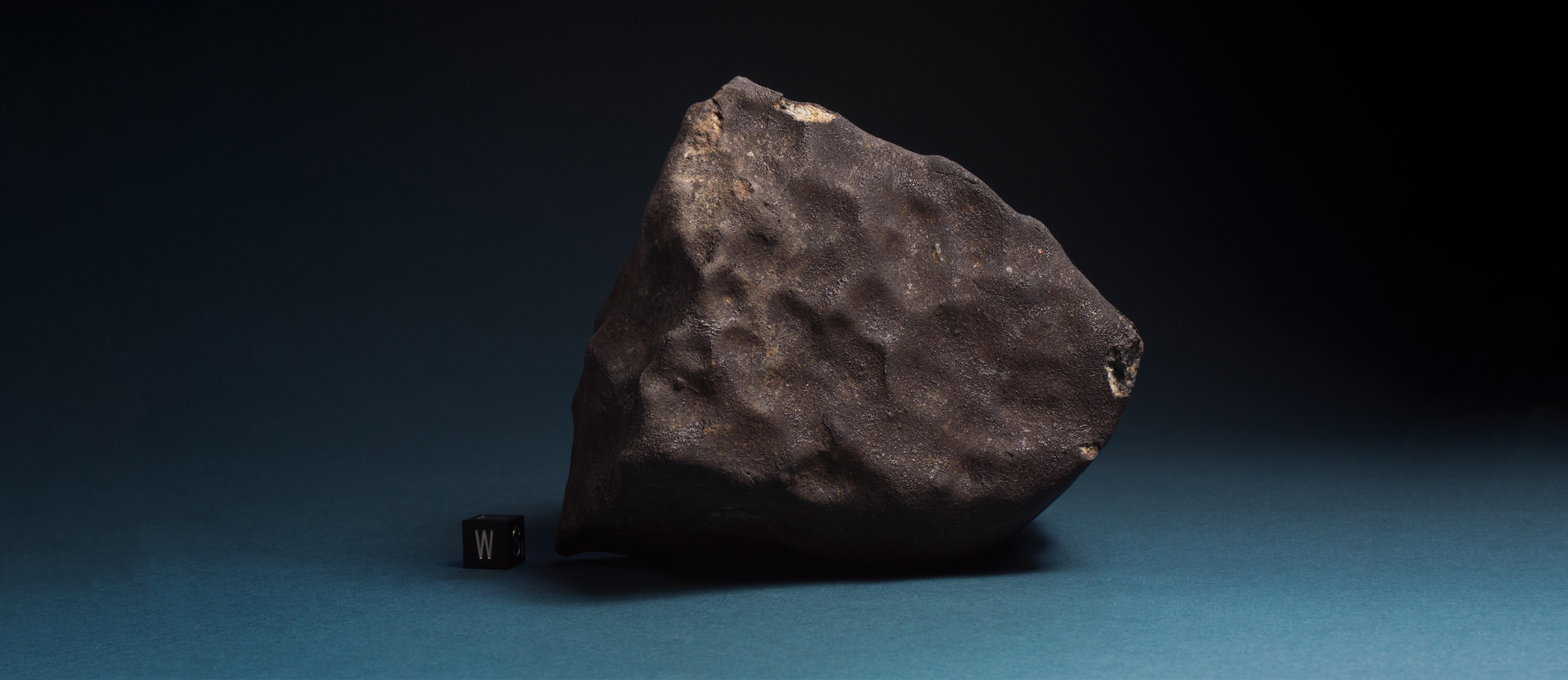
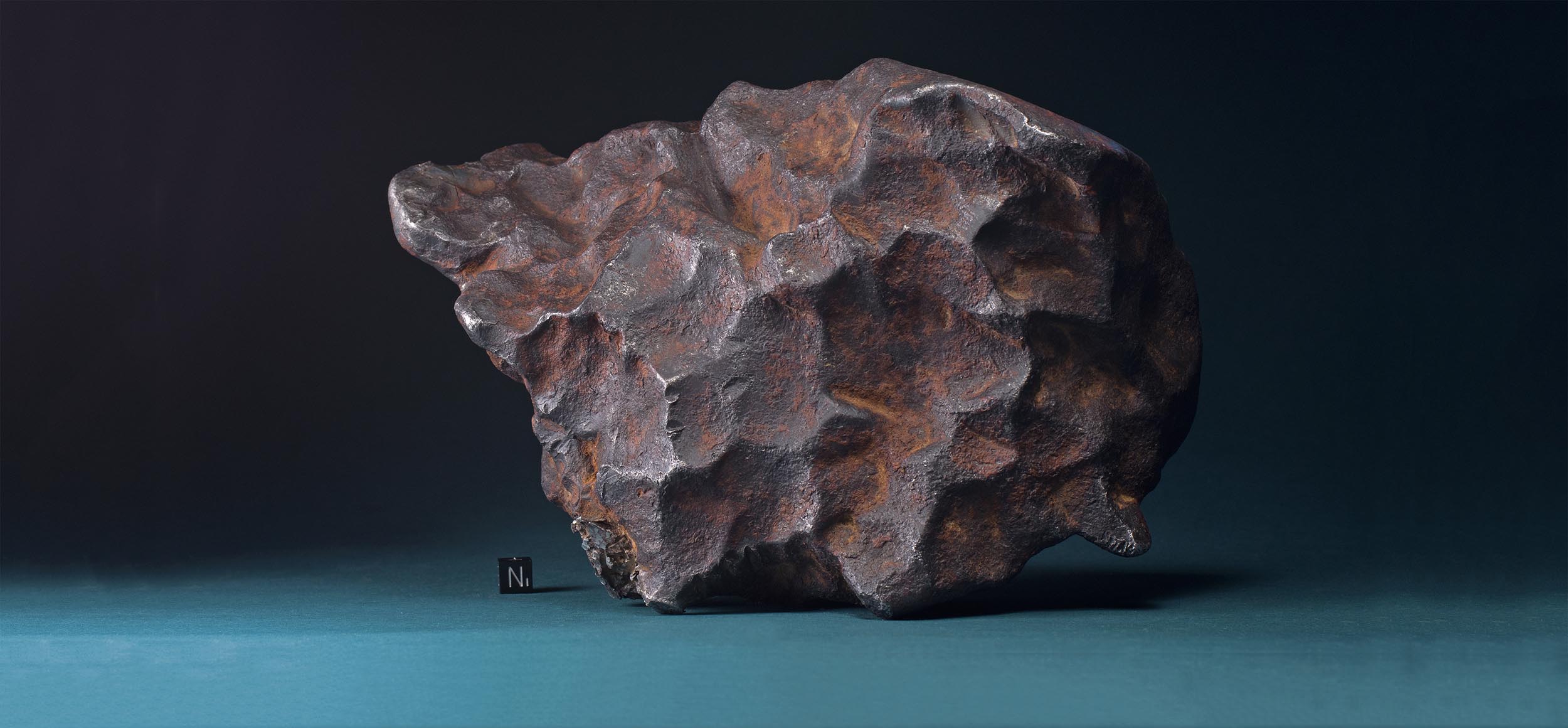
Both sides and texture detail of the oriented shield shaped 73 gm Kainsaz individual from the Meteorite Recon collection


Printed in Meteorite
Nov. 2007


  © 2001-2008 Meteorite Recon

<