

www.niger-meteorite-recon.de
Niger 2002 - illustrated report
go to page: 1 | 2 | 3 | 4 | 5 | 6 | 7 | Team | Area Map


During our expedition temperatures in the shade never exceeded 118°F. But at midday in August the air in the Ténéré heats up to a grim 131°F.
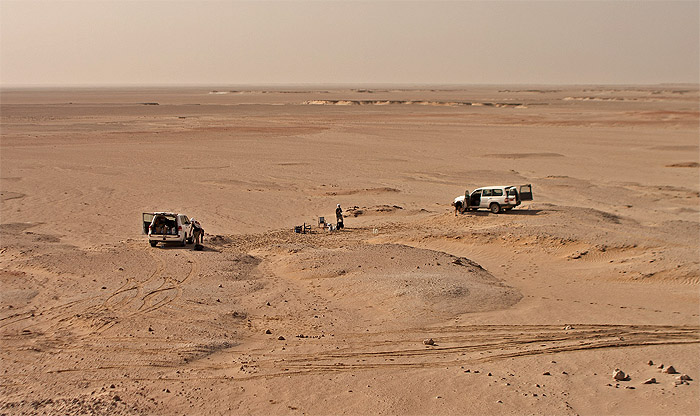
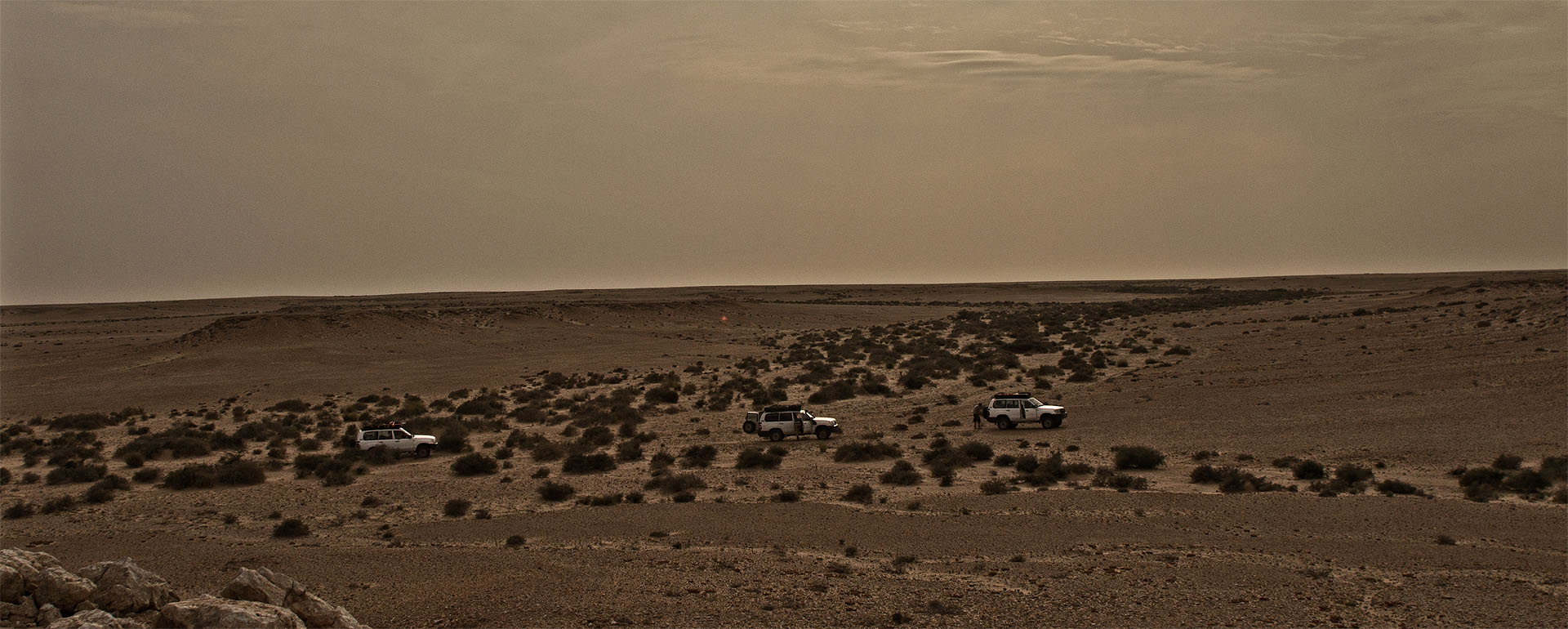
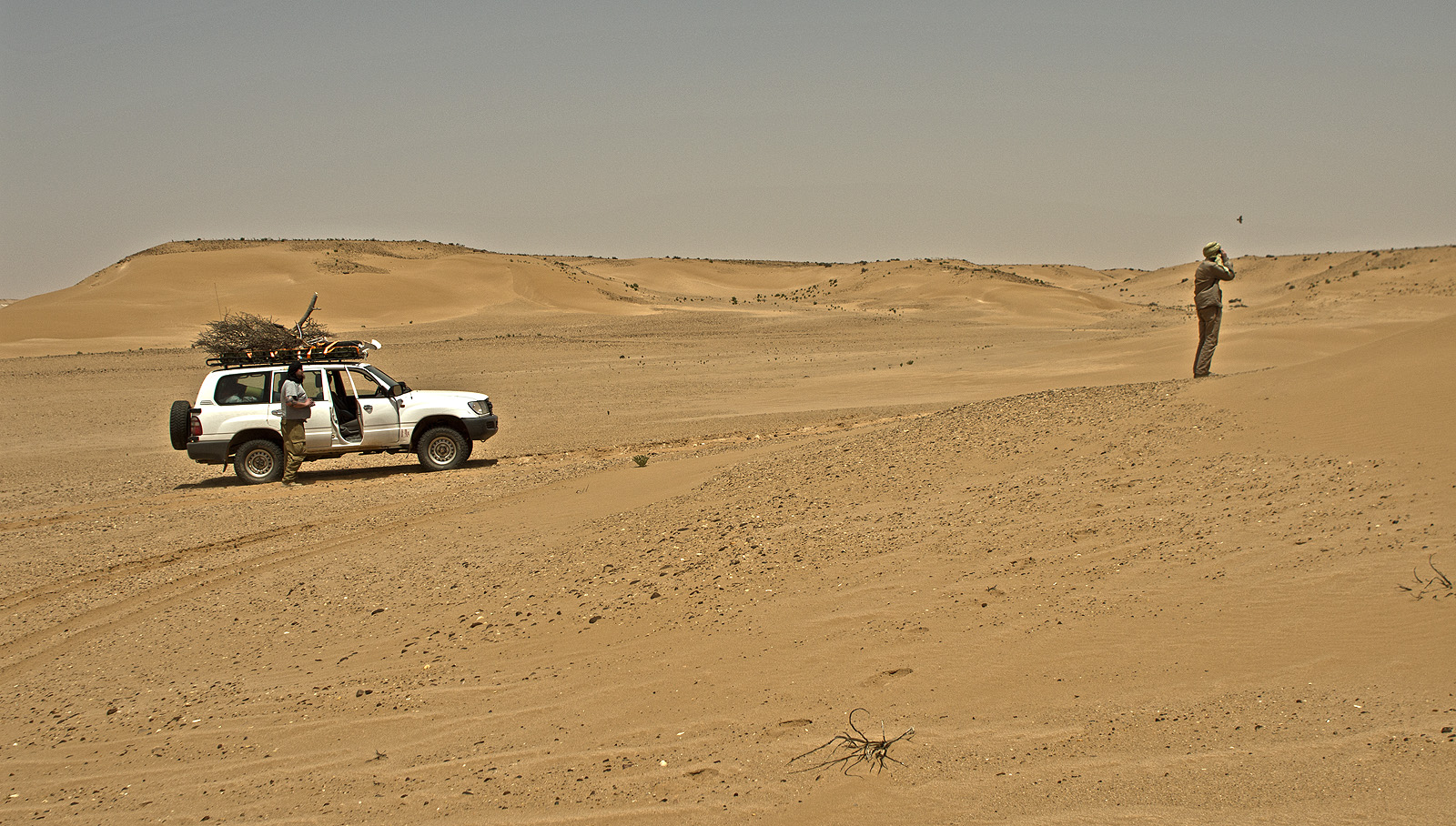
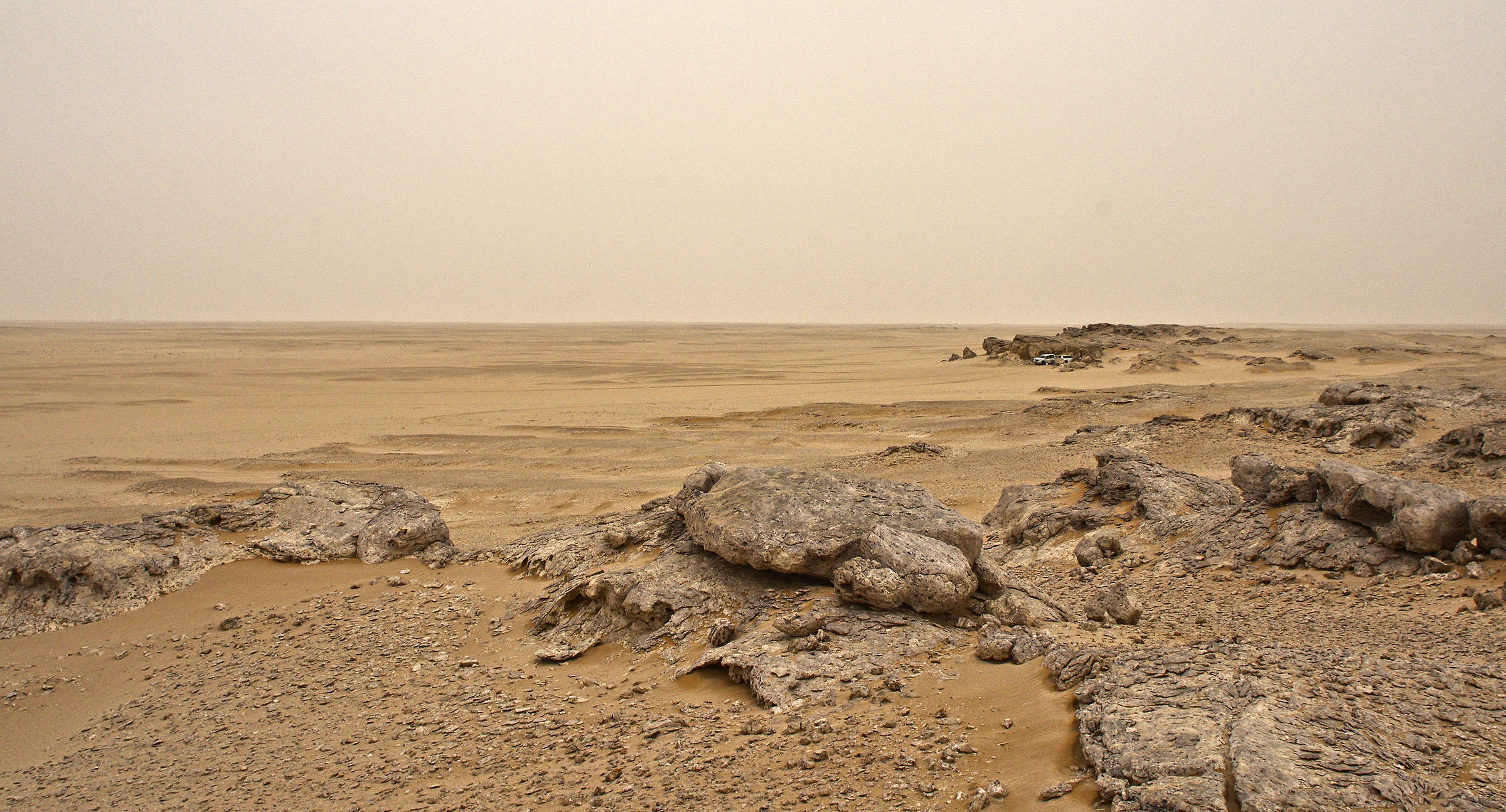
The first two days in the Ténéré Tafassasset we have to exercise ourselfes in endurance too. We checked hundreds of ostentatious rocks that caught our eye, non of them revealed as a meteorite. Quite frequently we have to navigate through vast fields of Fech Fech. If we spot a rock here we have to jump out of the car and walk a few hundred yards since Elkontchi can't stop the jeep on the fine grained soil. If he'd stop, we would sink to the axles on the attempt to start again.

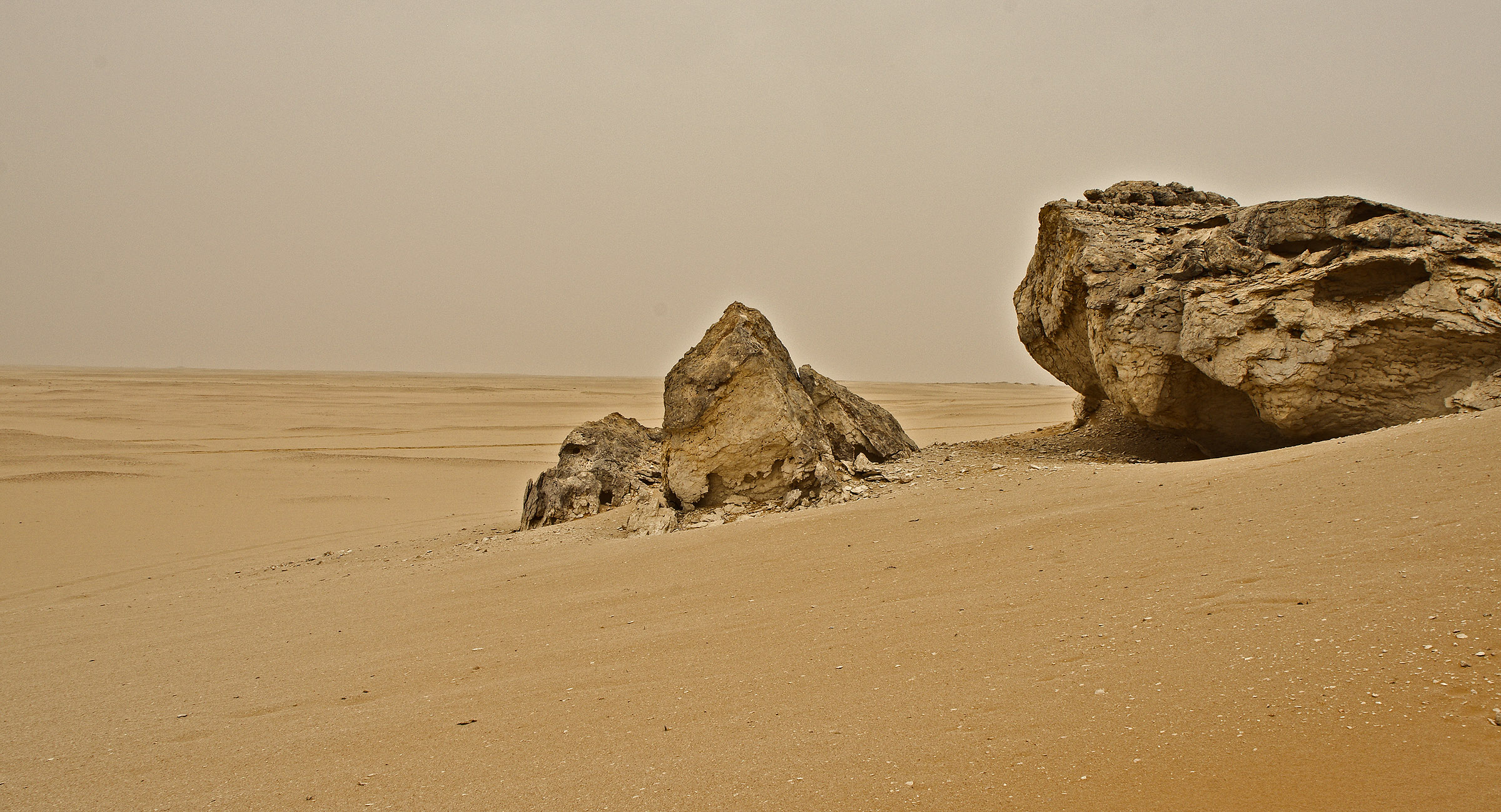
For the untrained eye scanning the featureless terrain is extremely exhausting. There are no objects the jaded eyes can hold on to. Nothing but an endless looming gravel plain passing by monotonously. Bizarre mirages transform far away pebbles into huge boulders but coming closer they shrink to their natural size as if they were objects of an evil charme.

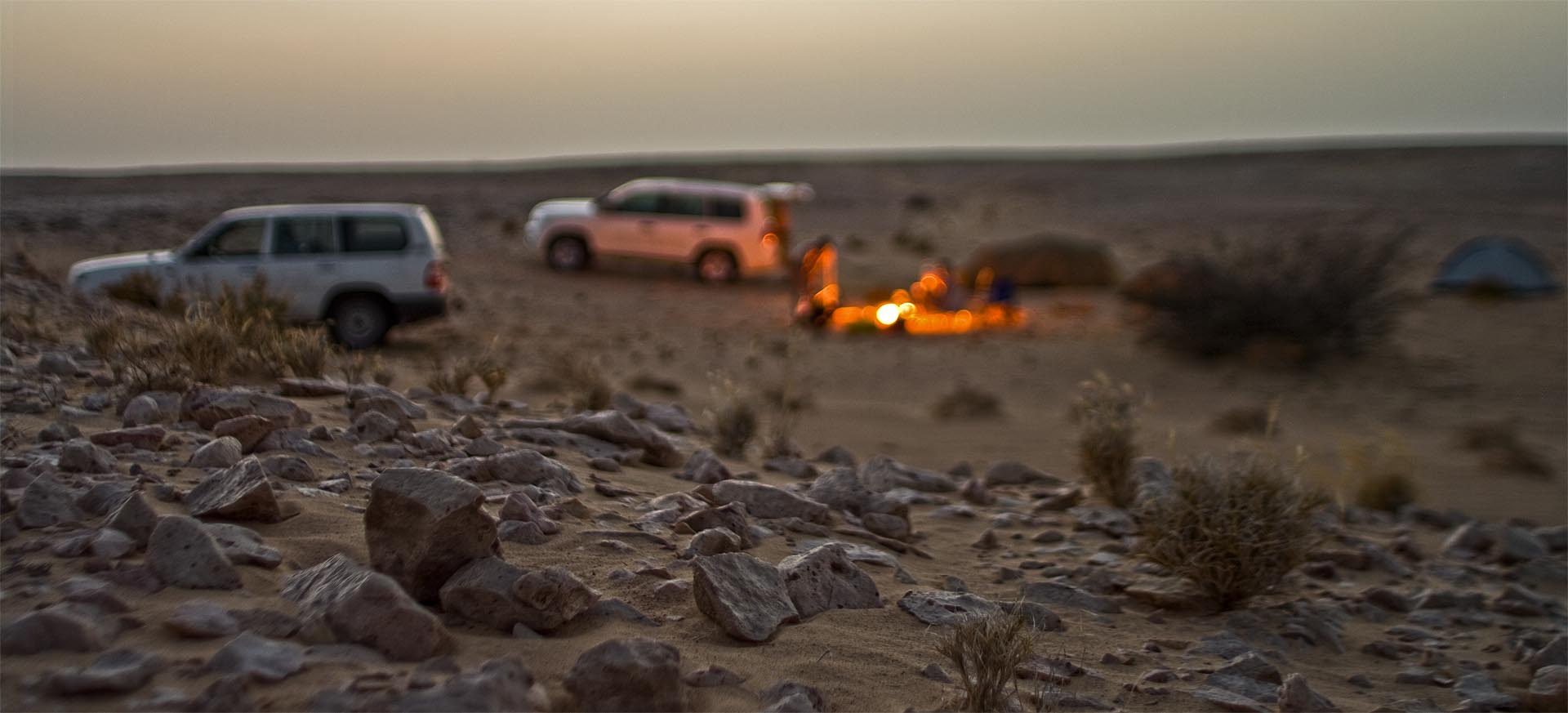
About midday, the quicksilver now shows 115°F, even larger debris becomes invisible. No shaddow that silhouettes the rocks from the fawn monochrome of the desert pavement. Time for the camp. A tarpolin strechted over the two cars provides the necessary shaddow. Elkontchi tells an odd story of a caravan leader who seperated from his men to scout an unexplored mountain pass in the Algerian frontier area. Since he did not show up at the rendevouz point on the other side of the mountain the carvan moved on because it was short on water. Yet in the same night in which the companions saw their leader disappear the completely bewildered man was taken up on a bazar in the city of N'djamena more than 650 miles away and taken to a hospital. Semi somnolent I'm listening to his story and ask myself if not maybe Elkontchi was the disoriented carvan leader and if we're probably threatened with a similar fate.


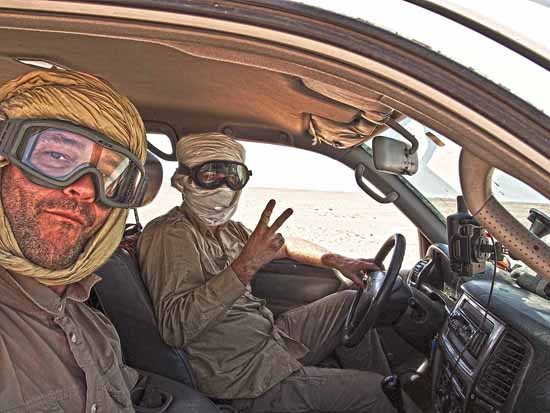
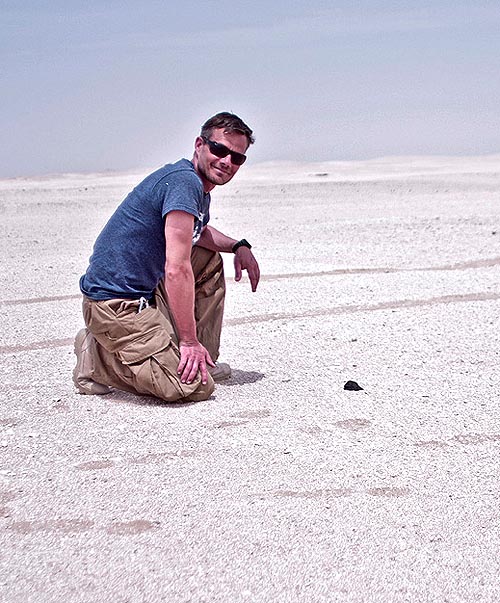
The author and desert enthusiast Dr. Svend Buhl, 31, during his 3rd Sahara expedition.
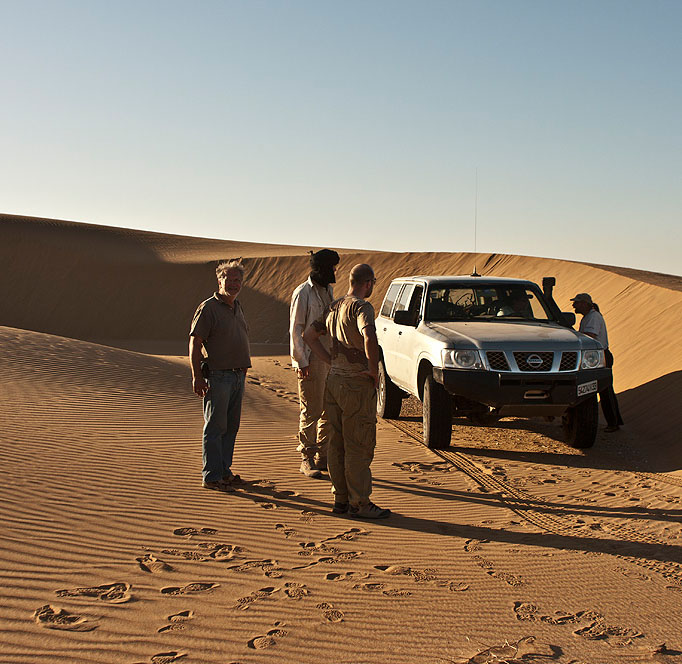
At three in the afternoon the blistering heat seddles and we can continue to prospect. Although the wide sandfree areas south of the Grein Mountains seem to provide an ideal searchground this day seems to perish without any discovery too. On a shallow hilltop we stop to allow the other vehicle to close up. It got so far away that only the incredibly sharp eyes of our Tuareg are just about able to spot it.

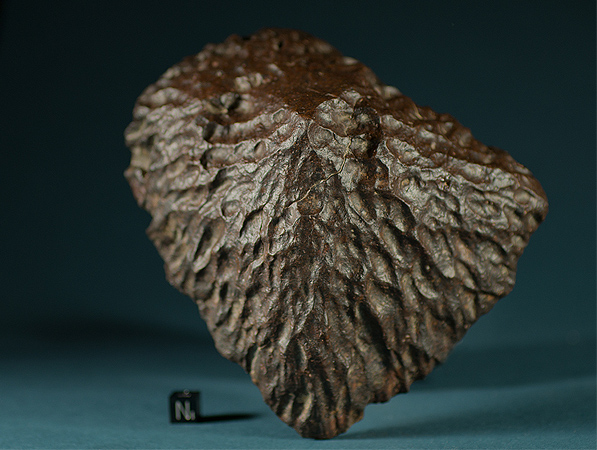
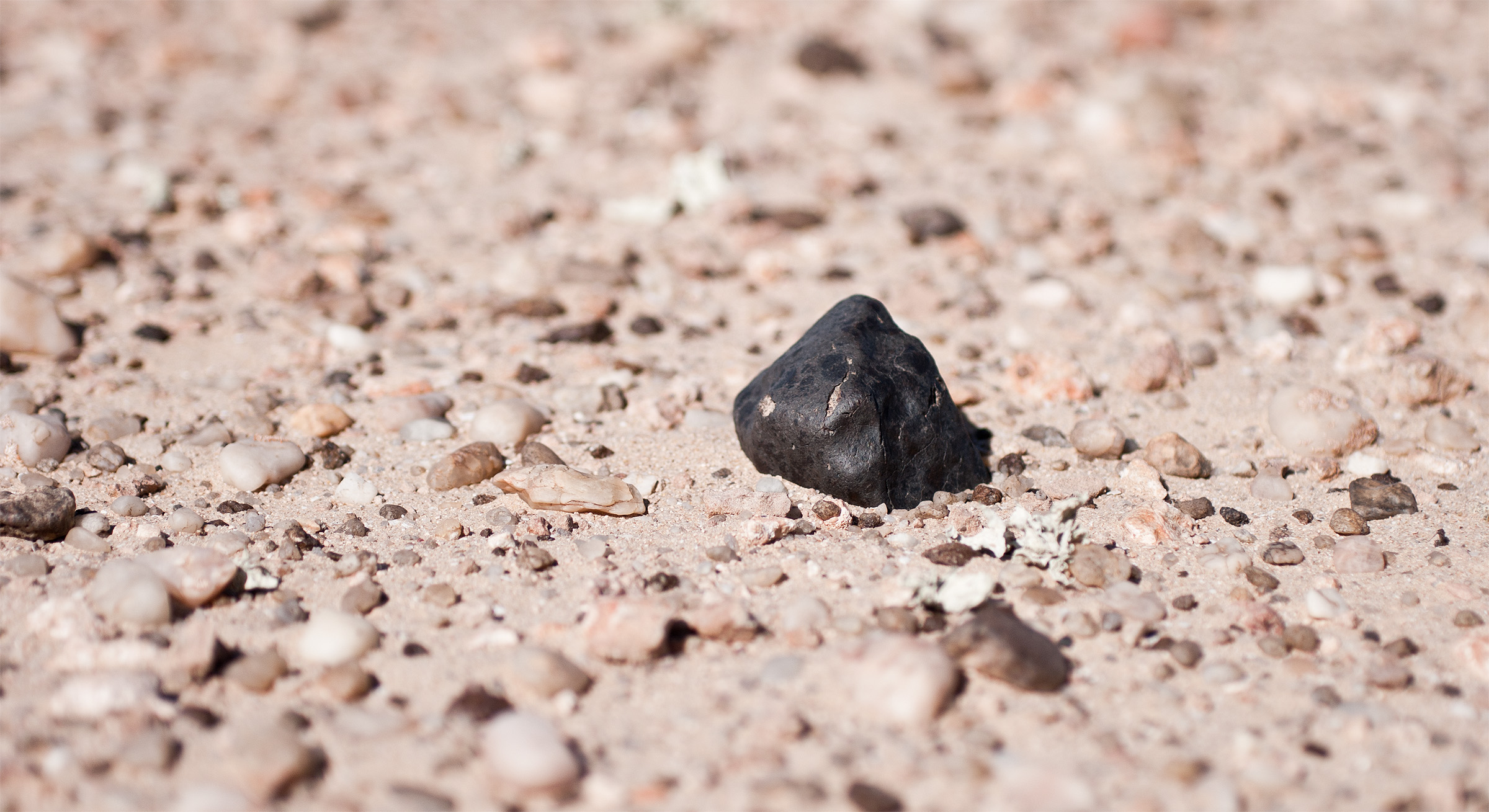
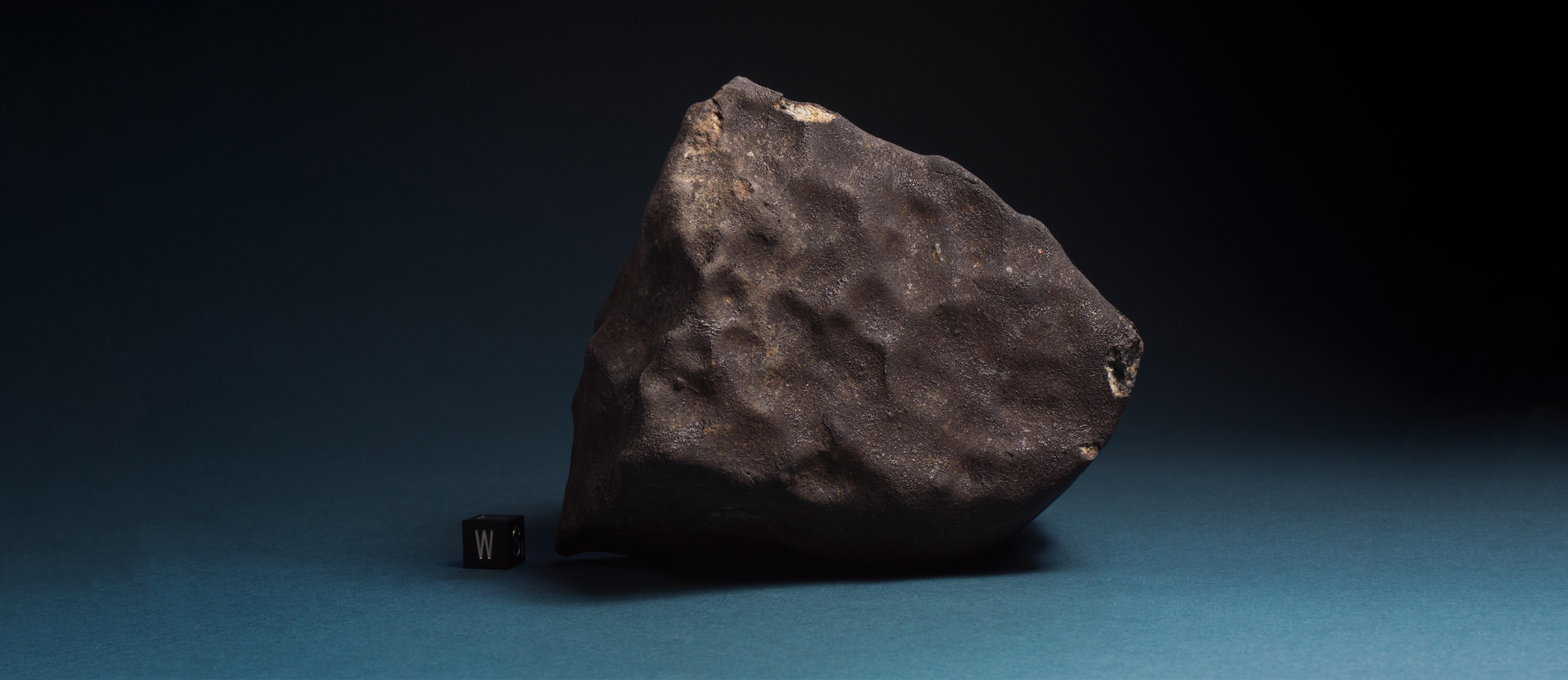
Ten yards in front of our land cruiser a small speck of stone, merely the size of a hazelnut, catches my attention. At first sight this pebble has no affinty to the meteorites we see in the museum cabinets. It is neither smoothed from its fiery passage through Earth's atmoshere nor is it abladed by blowing sands or crusted with desert varnish like our previuos finds. Nevertheless there are fine grains of metal embedded in its charcoal colored matrix. And the grain size of the iron is strikingly uncommon for any terrestric mineral. "A thunderstone?" Souleymane asks. "Inschallah", "so God will", Aoutchiki answers.

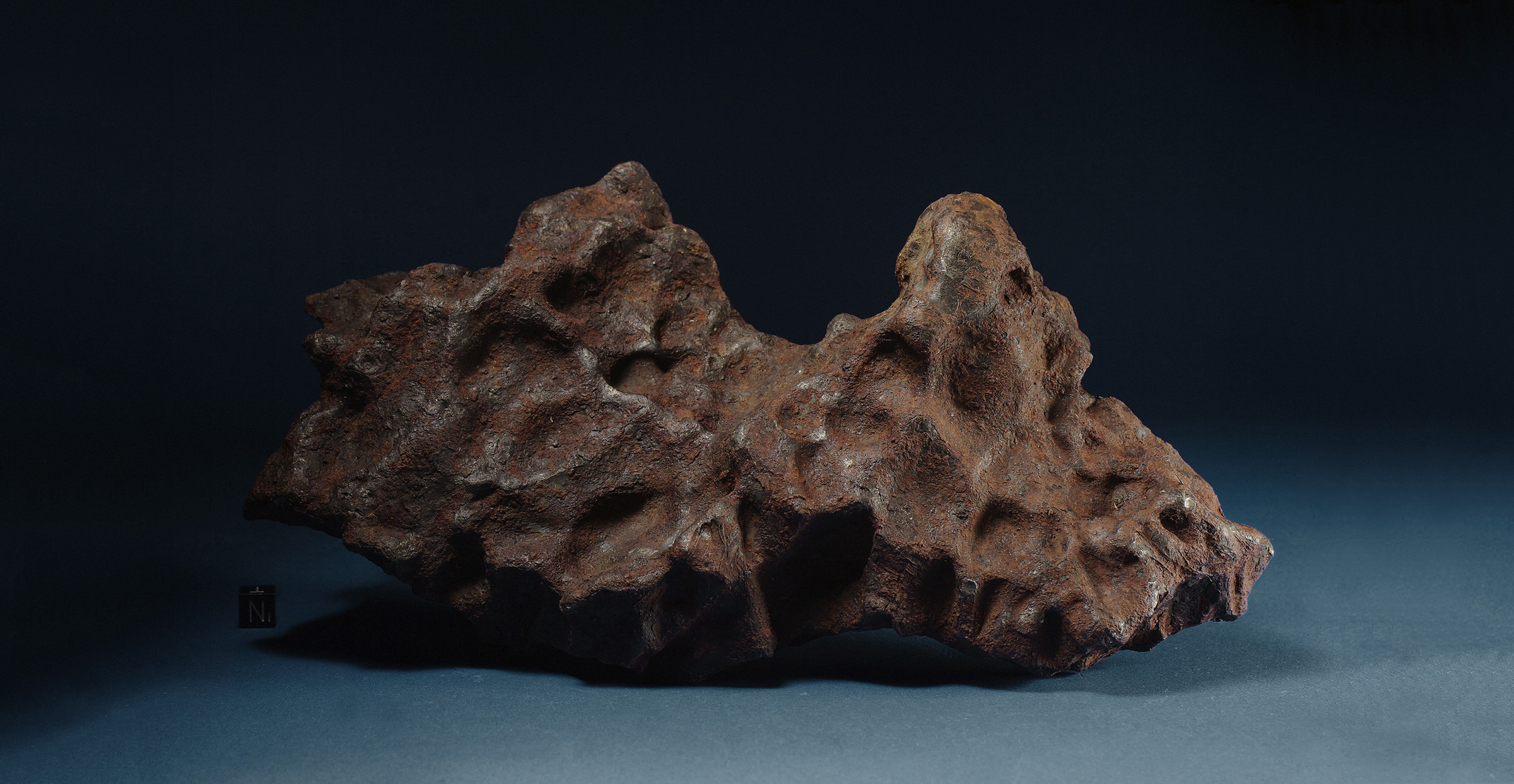
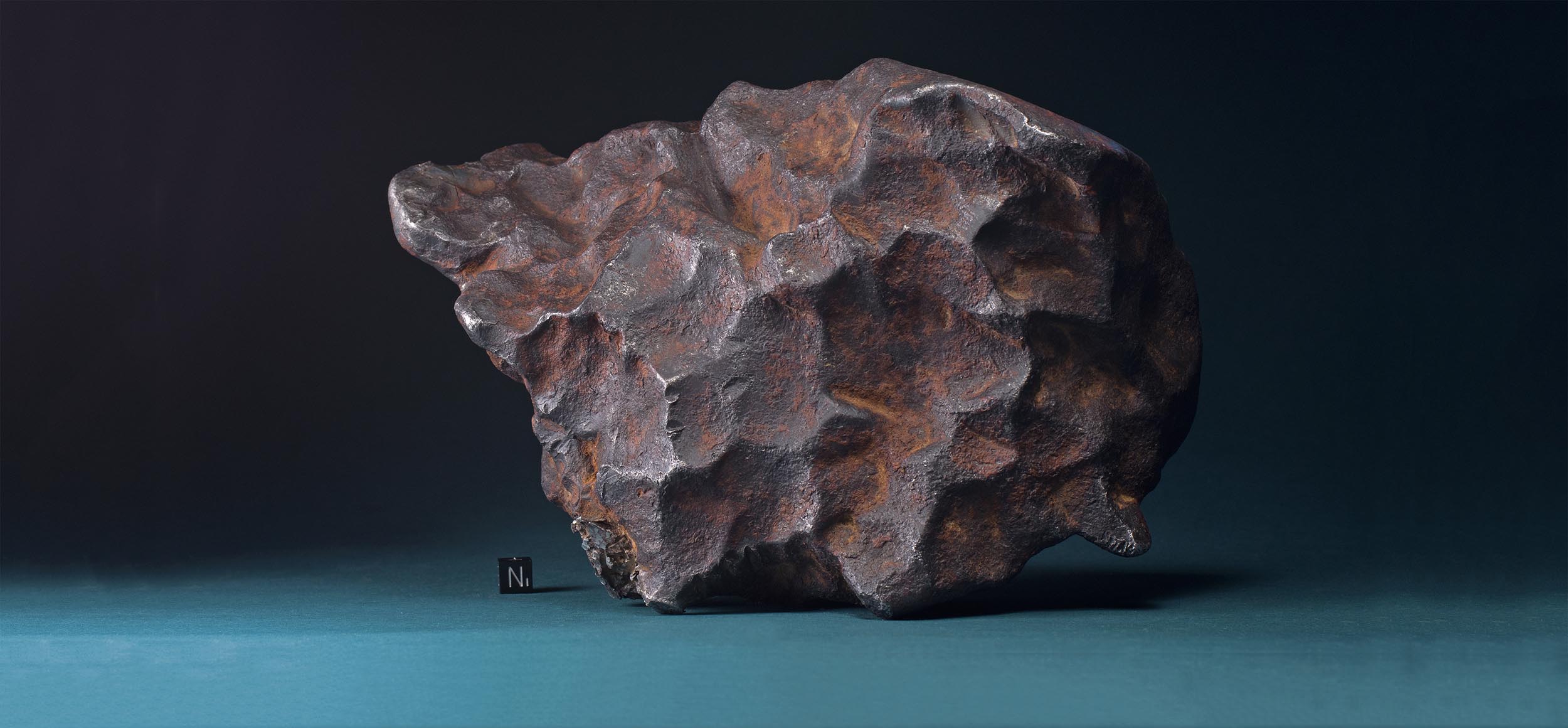
A month later, during the analysis in Hamburg, we will find out that we have found a fragment of the famous Tafassasset primitive achondrite. Although showing signs of oxidation and recristallisation the metorite dating 4.5 billion years contains almost unaltered matter of the presolar nebulae. As a witness of the birth of the solar system he throws light on the genesis of our world.

Epilogue

At the day of our return to Agadez a tall Tuareg who camps in the dunes outside the city visits me. He is well informed about the objects of our expedition. News spread quickly among the nomads. He introduces himself as Abu Selima and wants to serve us as a guide to a very special place. What he reports reminds me on the chimerical story of Emir Mûsa's quest for the City of Brass. That legend from the Book of Treasures that must be considered among the most inspiring expedition reports ever written. Abu Selima embellishes his story well and truly, but the landmarks he mentions, especially his naive geologial descriptions of them, rouses our curiousity. We encourage him to continue.

"Peace be on thee, O Sidi. I know what you came here for, so you may listen what I have to tell you O Sidi. In the caravansaries across Fachi the Tibbu people susurrate of a place, none of the unbelievers has ever got to see. It's the Mesa of the Thunderstones, Inschallah you may have heard of it. Many have tried to get there but Al Dschumdschab, the glooming breath oft the Erg has devoured them all. Death hath come upon them; and Allah is the terminator of delights and the separator of companions and the devastator of flourishing dwellings; so He hath transported them from the comfort of their homes to the dust of the graves. Their bones parch in the valleys of the Great Sand Sea while far away in their countries their mansions are void of their presence. As Dschinns they stray through the desert and shall find no rest. But you are young and strong O Sidi, together with me you can dare the challenge. Inschallah my people will recall your name still in a hundred years and those who went with you will know you as "Abu Teckak", "The Father of Thunderstones". We will cross the desert and climb the mesa of thunderstones, and your rejoicing will be great when you load your camels with the black thunderstones - Allah to whom be ascribed might and glory be my witness."

Even though Abu Selima's information will barely withtstand a verification through proper sciences he receives an engagement for next years expedition. Not because he promises me a Mehari, a white Taureg camel, for the journey. But rather because there is something of the lost myth of the Sahara with him that most of his enterprising colleages lack.

The French aviator and poet Saint-Exupéry knew what he was talking about when he said the magic of the desert ended with the invasion of civilization:

"We lived from the magic of the sand, others will come and drill oil wells in it to enrich with bargain. But they all come too late. The forbidden palm woods, the untouched white sands gave us their best. The Sahara had only one holy hour of elevation to offer and we have experienced it. "

www.niger-meteorite-recon.de
Niger 2002 - illustrated report
go to page: 1 | 2 | 3 | 4 | 5 | 6 | 7 | Team | Area Map


Printed in Meteorite
Nov. 2004


  © 2001-2008 NigerMeteoriteRecon